
Farmer Testimonials
Will and Lou Bailey
A long family farming history has made a significant contribution to Will and Louise Bailey's dairy farming journey.
The couple, who have two children – Stella (5) and Blake (almost 2) – have been contract milking 650 Holstein Friesian cows at Swannanoa in North Canterbury for the past seven seasons. Their 225 ha property consists of a 185 ha milking platform and a 40 ha run-off used to grow maize silage as well as kale for cow wintering. The couple co-owns the farm in partnership with Louise's family and Will’s grandparents.
Will and Louise’s Knightlea Stud combines Knighton, the name of Louise's family’s beef and cropping farm and Karalea, the name of Will's grandparents’ original Holstein Friesian stud.
“There is a lot of history and breeding in the herd” says Will. “Grandad registered his first Holstein Friesian cow in 1965. I’d like to carry that herd on for another generation”.
When it comes to breeding, the focus is on creating a high-producing cow that’s not too big, has good conformation, good feet and legs, excellent fertility and an all-round correct cow.
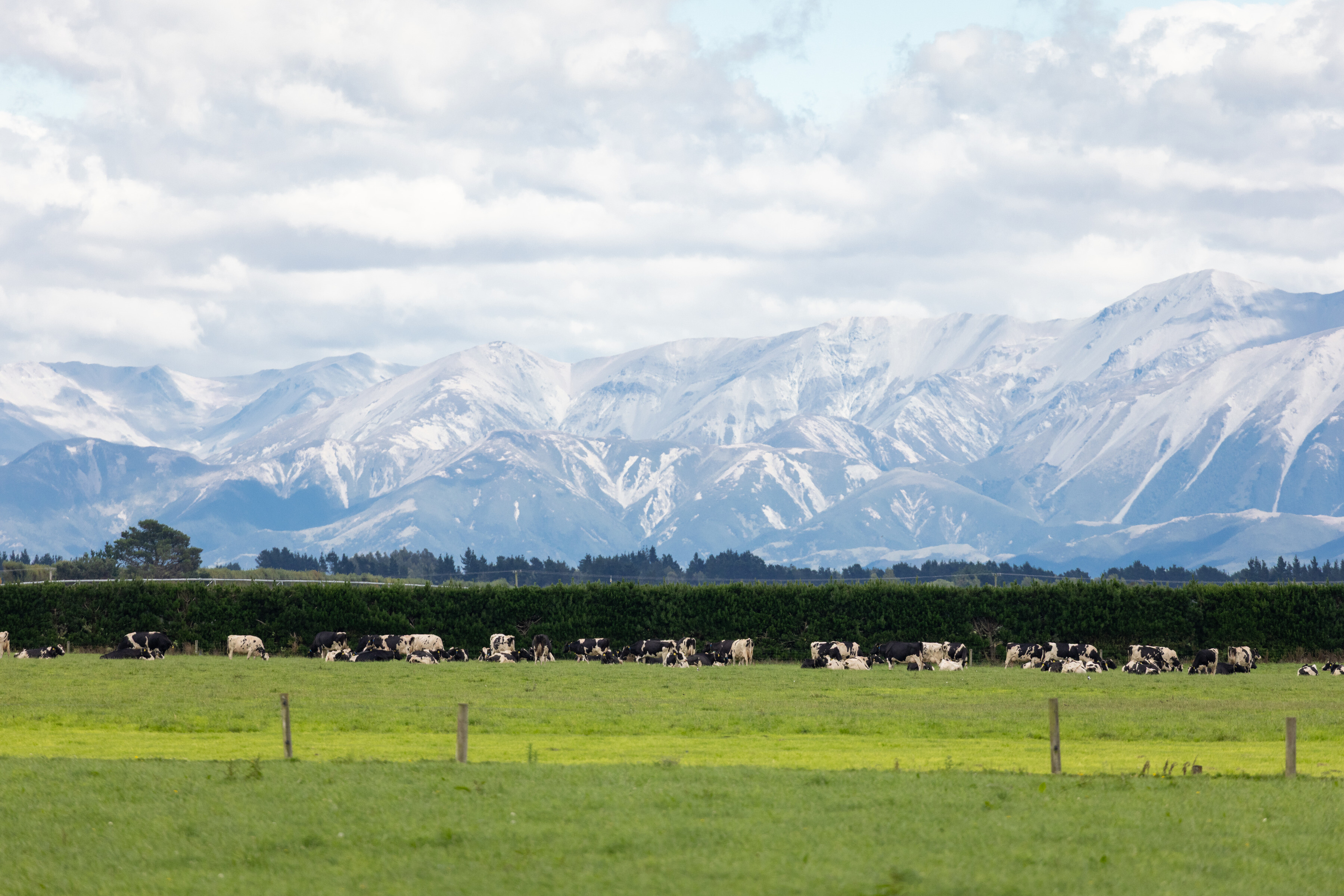
The herd is split calving with approximately 500 spring (1st of August) and 150 autumn (1st of March) cows.
“We split calve because we have a winter milk contract to fulfill” says Will, “High-producing Holstein-Friesians can be a bit trickier to get in calf, so having two chances is another bonus of the system”.
The mating period is 12 weeks in the spring and six weeks in the autumn. Sexed semen is used over the top performing cows while the rest of the herd is mated to beef genetics.
In the 2023-24 season, the herd peak milked 630 cows to produce 375,000 kgMS, which equates to 595 kgMS/ cow or 1,667 kgMS/ha.
“Production is a major focus for us, and we are targeting 600 kgMS per cow each season” says Will. “Breeding is important but to get the most from our 600 kg cows we also need to focus on feeding them well”.
The couple are strong advocates for maize silage.
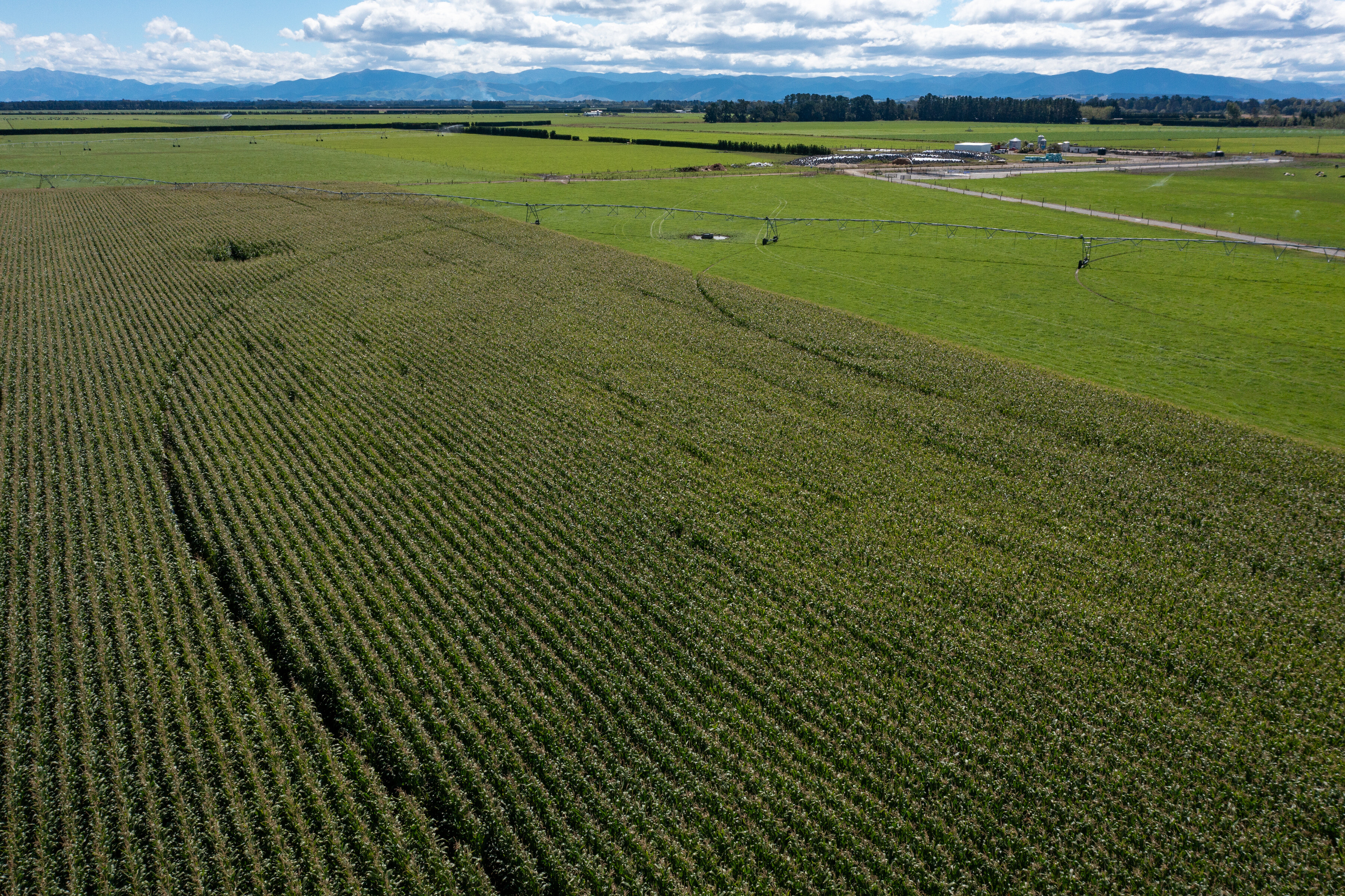
“I worked for a contractor harvesting maize silage about 12 years ago and saw the high yield potential of the crop” says Will. “We love maize silage and wouldn’t farm without it”.
This season they have planted 8 ha on the milking platform, and will purchase in a further 17 ha.
“We’ve always planted Pioneer® brand maize hybrids, and we like the shorter maturity ones best” says Will. “They deliver excellent yields of high grain content maize silage”.
Will plants the farm's maize crop each year, and he also does some contract planting in the local area.
In the 2024-25 season the couple planted P7524. Last season the same hybrid grown on the milking platform yielded 23 tDM/ha and was harvested in mid-March, which was early enough to get the paddocks regrassed prior to the winter. All of the maize silage is inoculated with Pioneer® brand 11C33 Rapid React which helps to reduce heating and spoilage at feed out time.
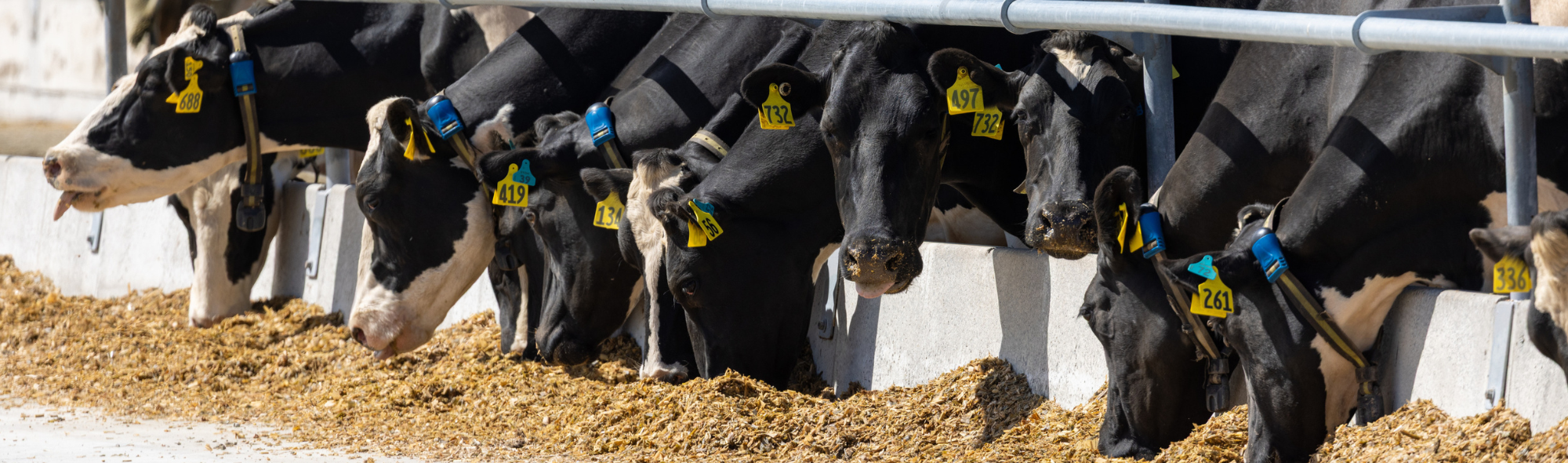
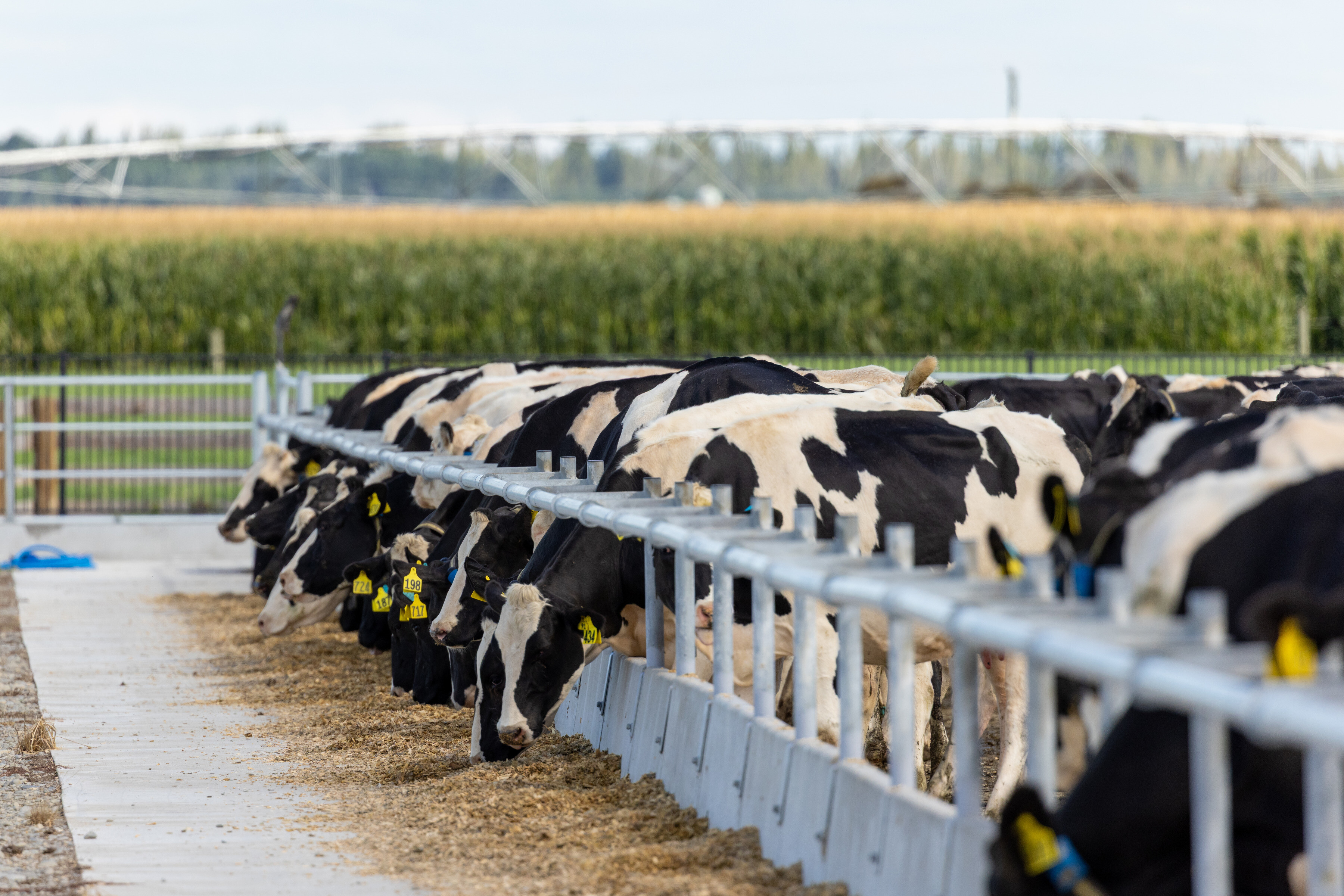
Historically, all the farm’s silages were fed in the paddock. Pioneer Farm System Specialist Matt Dalley and Area Manager Paige Farrell helped the couple assess the financial feasibility of building a feedpad. The numbers stacked up and the pad was commissioned in July 2024.
“Building the feedpad has allowed us to minimise silage wastage as well as pasture damage” says Will. “We’ve also found we are spending a lot less time on a tractor feeding out”.
Spring-calving cows are wintered on kale and grass silage on the run-off. They return to the milking platform as springers and are fed a maize silage based transition cow diet, which helps to minimise milk fever.