
Farmer Testimonials
Arjun Singh
A mix of foresight and innovation led the Singh family from a traditional dairy farm to a 1000-cow freestall barn system.
Lawwal Holsteins represents the vision of the late Aman Singh whose aspirations were to feed cows to their potential, increase production per cow and look after the environment, while utilising the land in a better way.
Today, the farm is managed by his three children, Arjun, Anjena, and Amreeta, and owned by the family, including their grandparents, Karamijit and Mindy, and their mother, Daljit.
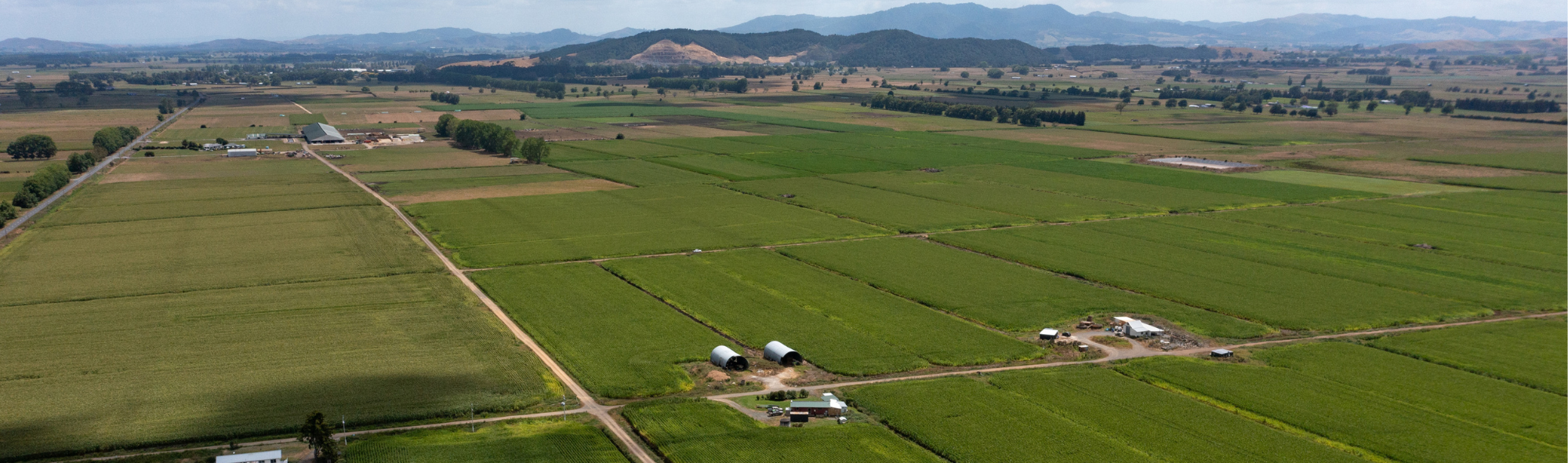
In the 2023-24 season the 250 ha farm, which is located at Whitikahu near Hamilton, milked 800 cows, producing an impressive 600,000 kgMS (750 kgMS/cow or 2,400 kgMS/ha).
The current system of farming 650 kg Holstein cows indoors year-round represents an evolution of cows as well as farm system. The original Law Road property of 116 hectares was purchased in 1989 and the family ran 270 cows in two herds (one Jersey, the other Holstein Friesian) through a 22 bale rotary shed.
The next two decades saw the dispersal of the Jersey herd, an increase in cow numbers and the installation of a feedpad and a 50-bale rotary. The purchase of an adjoining property in 2013 brought the farm to its current size.
The next year the family debated their next move, tossing up the alternatives of buying more land or moving to a different production system. Aman travelled to America, Europe and the South Island to view systems and capture the best ideas.
The culmination of his trip was the family’s decision to build a 1000-cow freestall barn adjacent to the existing cow shed. A number of different designs were studied, and a final design that suited the climate and maximised cow comfort was chosen. The 1000-cow freestall barn was commissioned in April 2018.
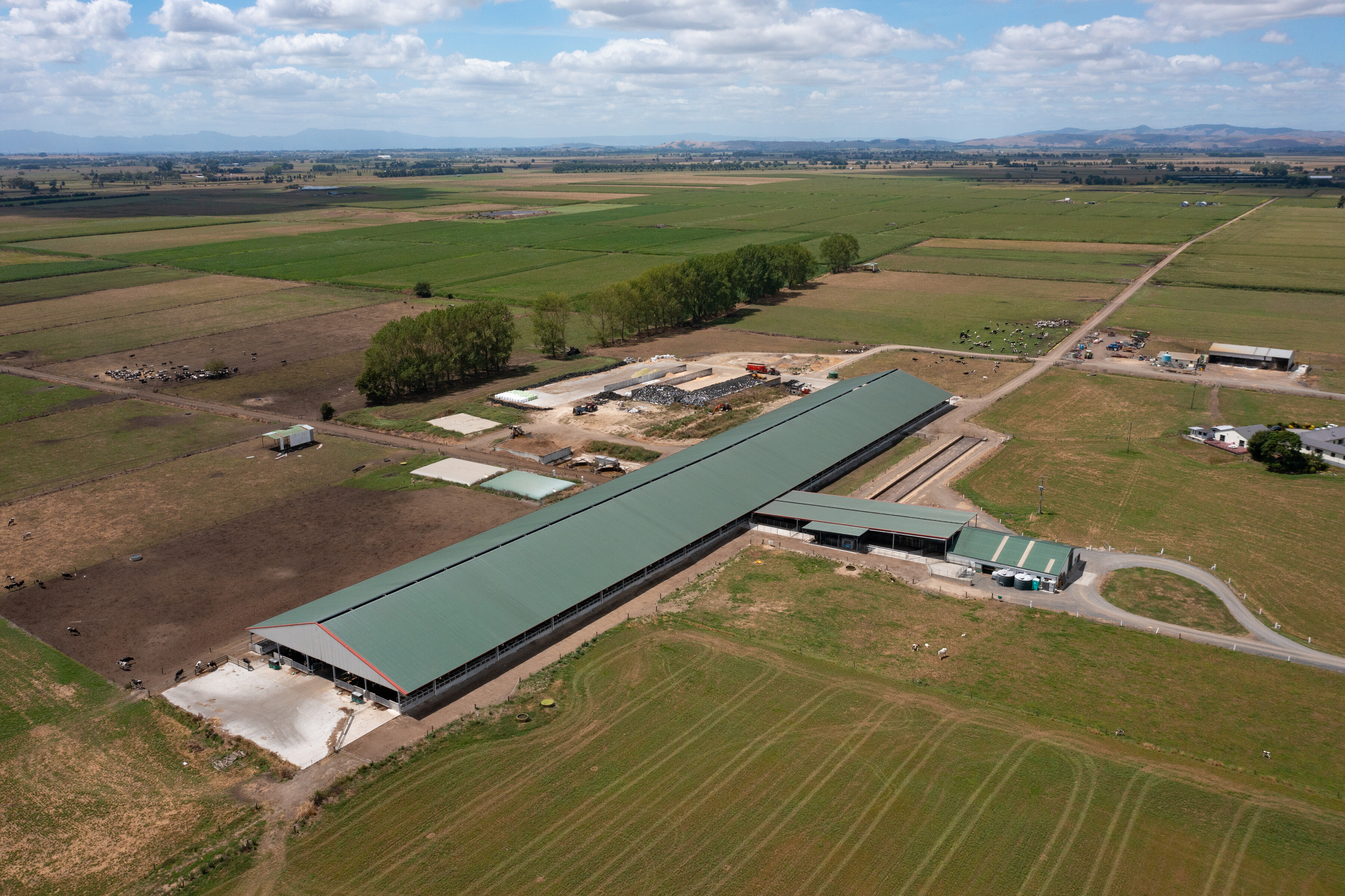
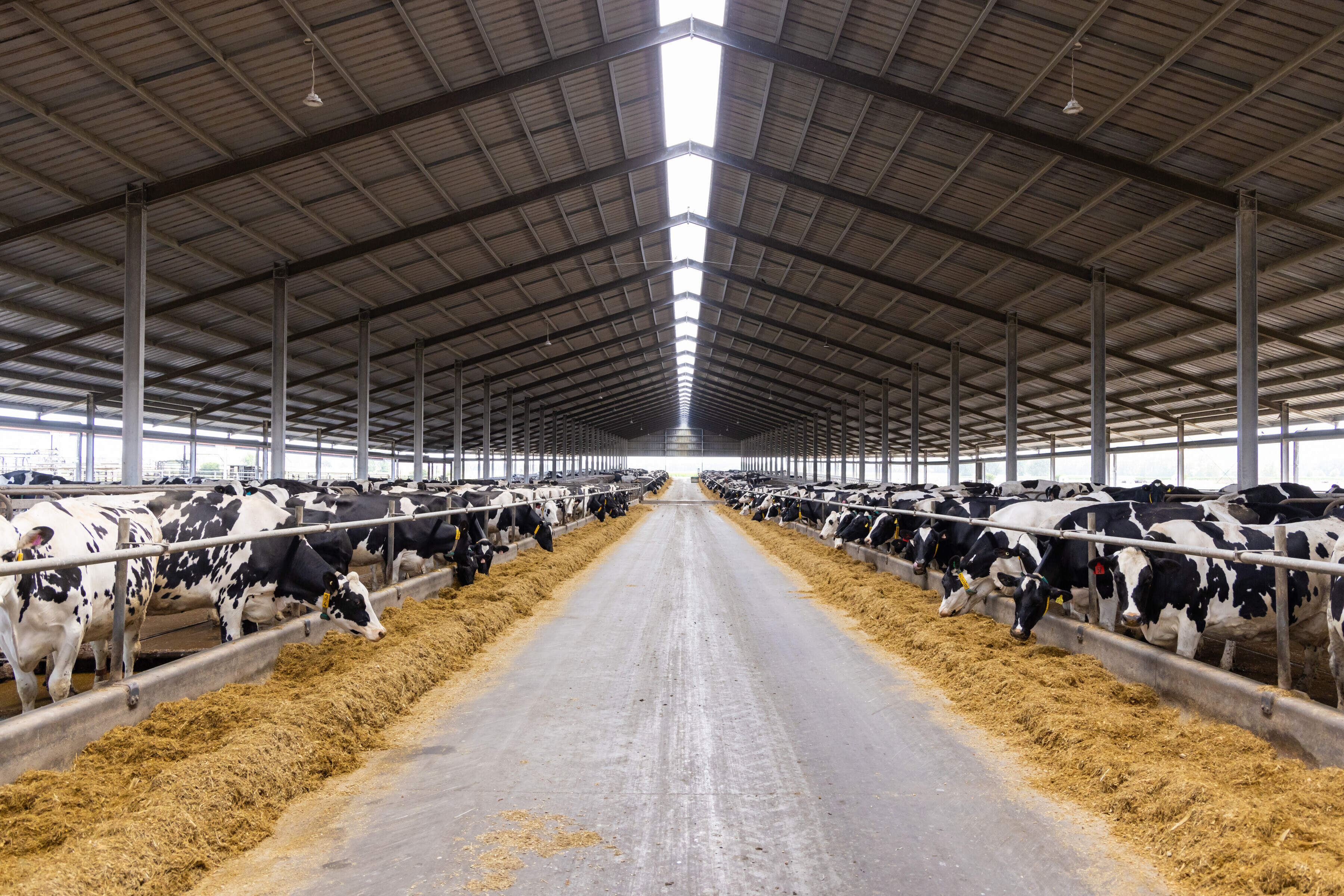
The 245 m long barn is split into quarters and the farm runs four milking herds. Cows are separated based on their stage of lactation and production level and each herd gets a different total mixed ration (TMR) suited to their unique nutritional needs. Maize and grass silage provide the base for the ration which is then balanced with bought in protein, starch and energy sources as well as minerals.
Seventy-five percent of the TMR is homegrown. Each season, the family plants 200 ha of Pioneer® brand maize for silage. The remaining 50 hectares are used for youngstock grazing, allowing the family to operate a closed system.
In the 2024-25 growing season, they have planted a mix of Pioneer maize hybrids, including P8240, P9400, P9978 and P0937.
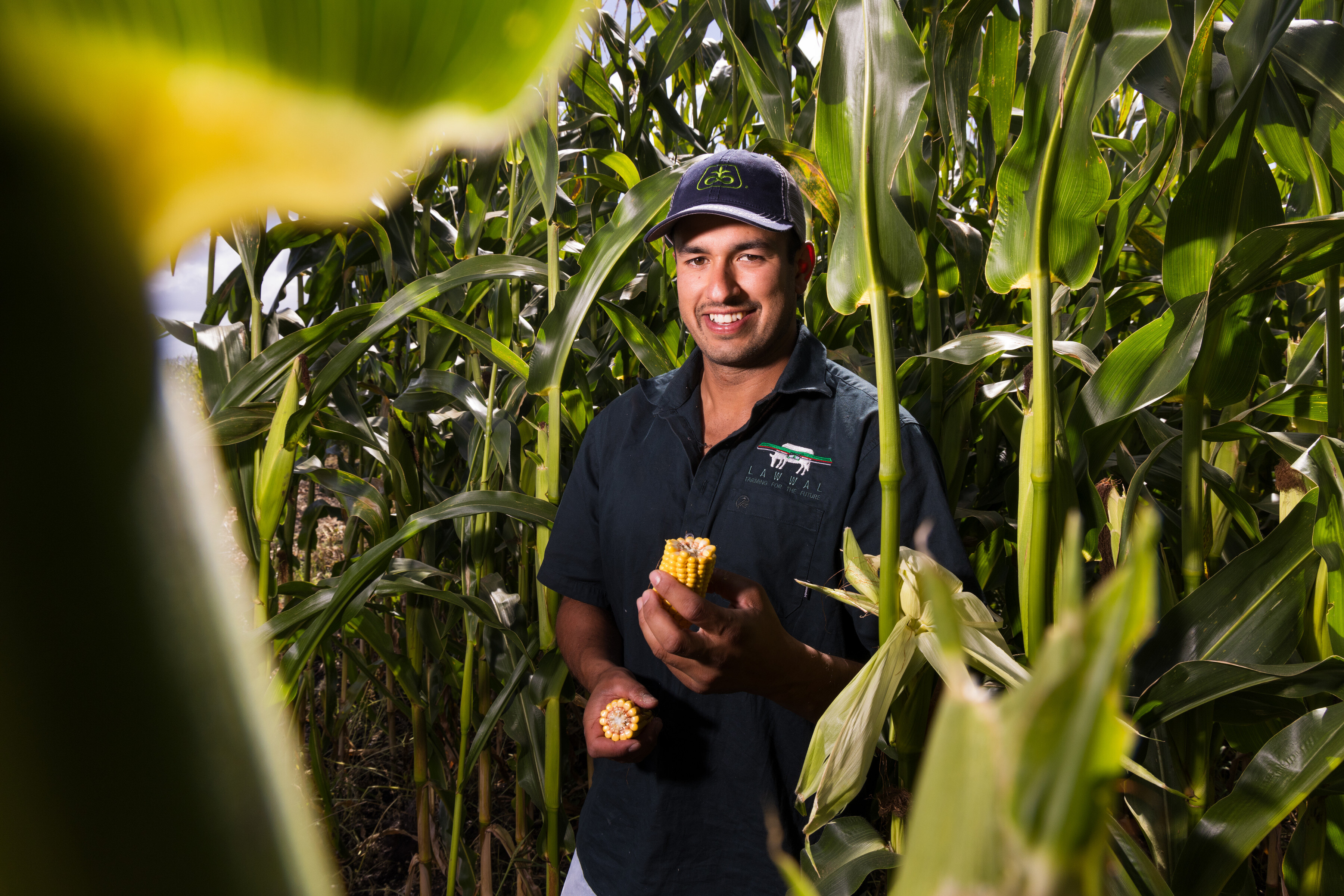
“We are looking for hybrids which deliver a high grain yield because we want to maximise metabolisable energy and starch intake” says Arjun. “Small variances in this can have a large impact on per cow production. Good disease resistance and drought tolerance are also important”.
The last few Waikato summers have delivered several cyclones, so good standability ratings are now also important.
“We choose to plant Pioneer because the service we get from our local Regional Manager Brent Bishop is second to none” says Arjun. “The replant policy is another selling point for us; we hope we don’t need to use it, but having it there gives us peace of mind”.
The family are ardent supporters of the Rural Support Trust and Arjun says Pioneer’s contribution to this valuable organisation “shows a lot about their character”.
Maize crops are planted with starter fertiliser only and the farm relies on the use of effluent (both liquid and solids) which is injected 200-300 mm into the ground for the remainder of the crop’s nutrients with the exception of sulphur. The target average maize silage yield is 25 tDM/ha, which brings the cost to 13c/kgDM in the stack.
After the maize silage is harvested, the effluent is applied via a dribble bar. Then, the land is direct drilled into annual ryegrass and harvested three times for grass silage before returning to maize.
“We get 7-8 tDM/ha from the ryegrass, giving a total annual drymatter yield of around 32 tDM/ha” says Arjun. “It’s a lot more than we could grow under any other pasture or cropping system”.
The farm’s careful nutrient management, which includes twice yearly soil testing, and lack of synthetic fertiliser contributed to the farm being named the Regional Supreme Winner of the Waikato Ballance Farm Environment Awards in 2023.
While the business focuses on maximising milk production, selling embryos and livestock provides a significant secondary income stream for the farm. Top cows are flushed, and embryos are transferred to recipient cows. All replacements are genomic tested at birth, and this provides ratings for a large number of traits including milk fat and protein percentage, methane production, feed conversion efficiency and net genetic merit.
“All the data we gather allows us to breed for high fat and protein, good udders and functional type, which I believe are important for an efficient cow” says Arjun. Last year the family sold a half share of the highest conformation heifer in the world to an American buyer. The heifer “Bellarina” remains on the farm while her embryos are being flushed and shipped back to the U.S.A.
Cows are all artificially inseminated with a high use of sexed semen. Seventy percent calve in February and the balance in September.
“About 90% of the herd carry North American genetics, and we utilise Semex and World Wide Sires bulls, says Arjun. “These cows are best suited to our production system; they efficiently produce high milk volumes and have stood the test of time".
So, what does the future look like?
"Our aim is to have 1,000 cows in milk year-round and to increase cow production by improving genetics and furthers refining our TMR system" says Arjun. We have recently started a new partnership to bring Showbox Sires to New Zealand from North America.
“The weather extremes we are currently experiencing will continue to make it even more attractive to grow maize, and we would like to have more maize silage on hand so we can carry a buffer from season to season”.