
Farmer Testimonials
The Briant Family
It would be difficult to find a more diverse farming business than Frank and Vivienne Briant’s. The couple, along with sons Richard, Stuart and Hamish, run Briant Brothers Ltd, based at Pātūtahi 15 km west of Gisborne.
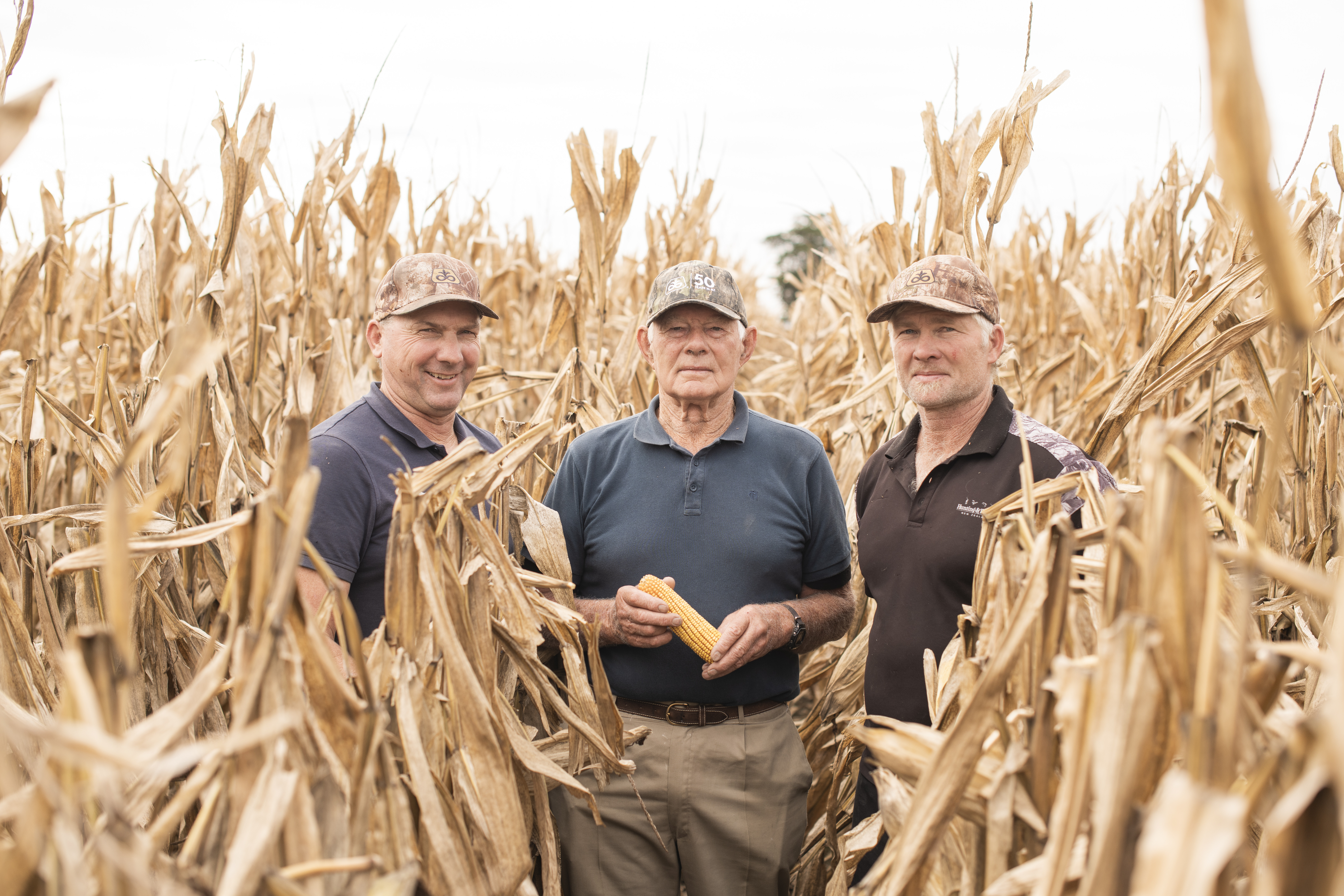
Pictured above: Stuart, Frank, Hamish
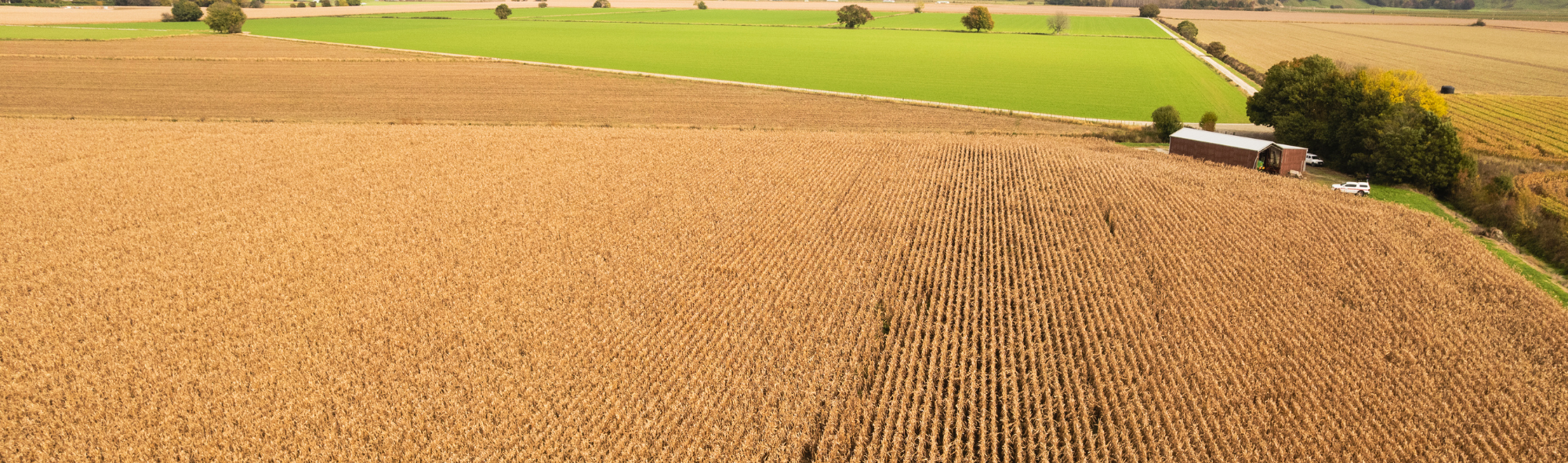
The 270-ha home farm consists of 90 ha of hill country, which supports beef fattening and sheep breeding, as well as 180 ha of arable land.
“We used to run Romneys, but it reached a point where shearing cost more than the wool was worth, so we are switching to early shedding Wiltshires”.
The family’s owned cropping area and around 250 ha of leased land are used to grow food-grade maize grain, seed maize, popcorn and squash over the summer months. Winter ryegrass is established after squash and early seed maize harvest and farmed with lambs over the winter months.
“We finish the lambs from our own 550 breeding ewes and also buy store lambs. The aim is to turn over a total of 5,000 lambs each year”.
The family’s horticultural enterprise includes citrus, kiwifruit and grapes.
The varied and complementary skills of the couple’s three sons ensure the operations run smoothly. Richard, a chartered accountant, handles the books; Stuart, a diesel mechanic, maintains the machinery and looks after the crops, and Hamish manages the livestock operation.
“Vivienne pays the bills, and I help wherever I’m needed” says Frank, who dryly suggests he is now “semi-retired”.
Each season, the family grows around 160 ha of food grade maize, which is sold and processed locally. This season, they have planted a combination of Pioneer® brand P1185 and P1253.
When it comes to growing maize, Frank has had many years of experience, and a long association with the Pioneer brand.
“My father was growing maize back when the crop was harvested on the cob in April and air dried in mesh cribs over the winter months prior to shelling in October or November” says Frank, “We were still crib drying maize in 1988 when Cyclone Bola hit the district”.
Frank and his brother David were among the first to grow Pioneer seed maize in Gisborne.
“We’ve grown Pioneer seed maize every year since they commissioned the Gisborne production plant in the 1989-90 season” says Frank. “They are a great company to deal with and have always been proactive in helping sort out any issues we have encountered during the growing season”.
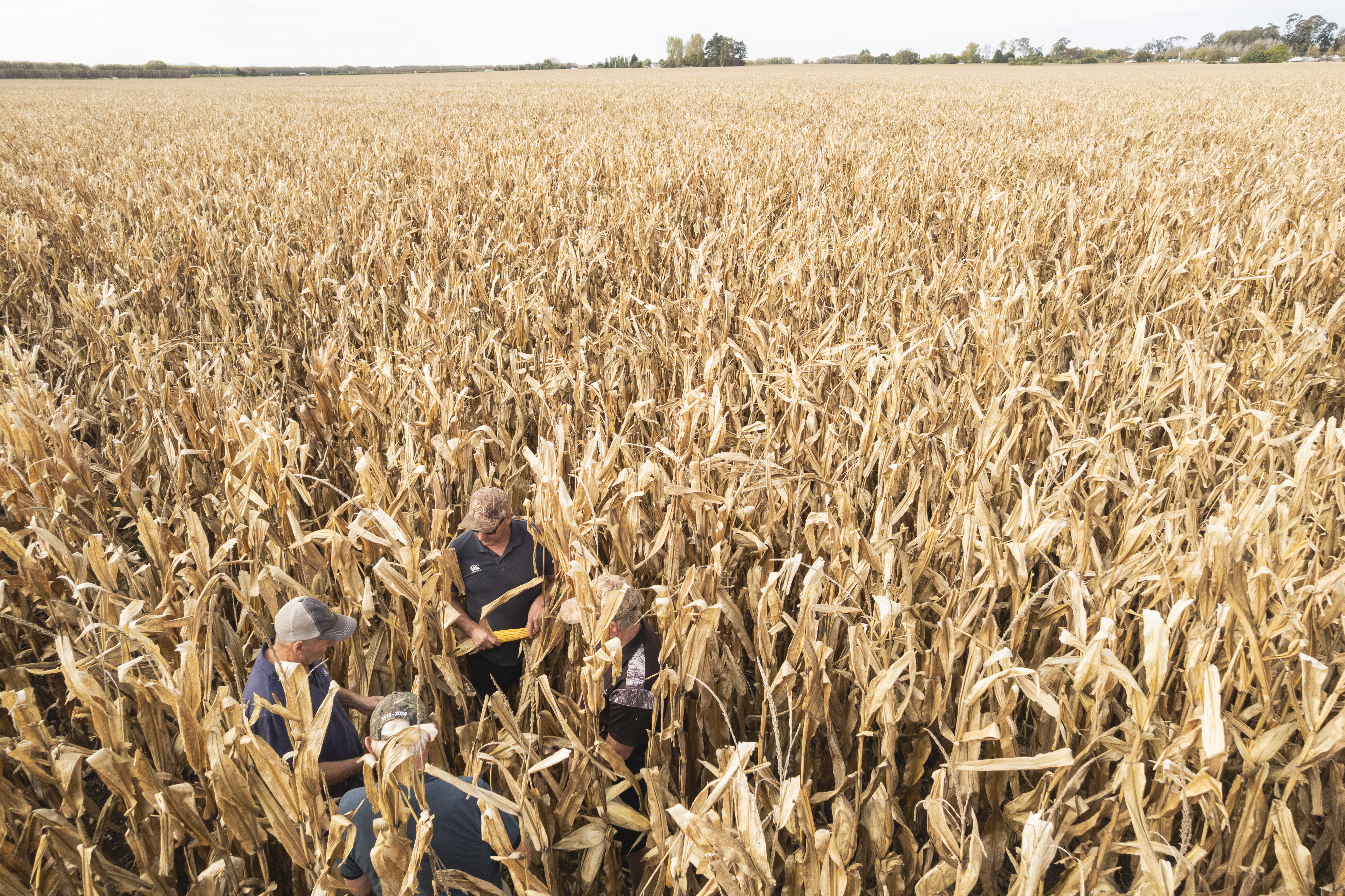
The target date for maize crop planting is the end of September, but the district’s heavy soil means the starting date depends on spring weather conditions.
Crops are established using a combination of strip till and conventional cultivation.
“We had a really wet spring three seasons ago, and it got to Labour Weekend, and we hadn’t been able to start planting” says Frank. “We purchased an 8-row strip till machine and had the whole crop in the ground in two weeks”.
“The crops were looking really promising but we never got to see their true potential because Cyclone Gabrielle hit the district before they were harvested”.
Since then, smaller amounts of maize have been established by strip till as the family has had to adapt their cropping management to cope with the aftermath of the cyclone.
“We ended up with a lot of silt and compaction, and conventional cultivation has proven to be the best way to deal with that” says Frank. “Now we are moving back into more strip till”.
Maize grain crops are typically harvested in April or May, with long term average yields being around 18 t/ha.
“The last three seasons have been more challenging as we have faced the aftermath of the cyclone” says Frank. “…but this season’s crop looks like we will see a return to yields which are closer to the long-term average”.
“The last three seasons have been more challenging as we have faced the aftermath of the cyclone” says Frank. “…but this season’s crop looks like we will see a return to yields which are closer to the long-term average”.
“We like growing maize because we get pretty consistent yields, and it can handle adverse weather conditions better than most other crops” says Frank.