
Farmer Testimonials
Lyle Williams
For Lyle and Nicole Williams, cow condition is not a “nice to have”. It is the foundation that sets up the current season, as well as the one that follows. Feeding maize silage in the autumn is one of the most reliable ways the couple have found to put condition on cows while at the same time meeting pasture cover targets.
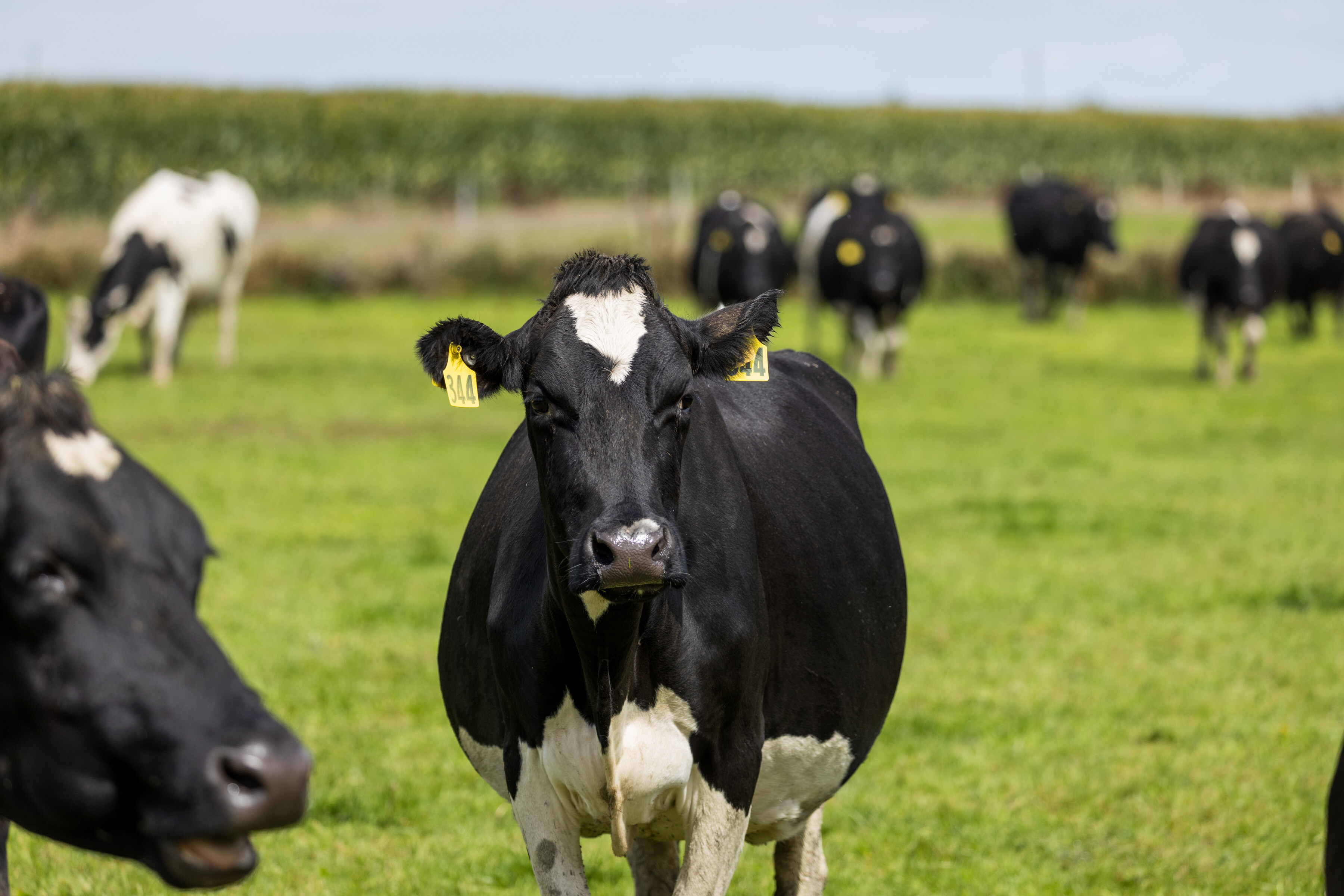
The Williams’ irrigated dairy farm sits on the south side of Ashburton, toward Lake Hood. The couple peak milk around 650 predominantly Friesian cows on 203 effective hectares. In the 2024-25 season, the herd produced 327,000 kgMS equating to 503 kg MS per cow or 1,611 kgMS per hectare.
Lyle moved to the property with his parents in 1999 and, together with his wife Nicole, bought the farm about six years ago. They have three daughters. Emma is currently studying at Massey University, while Amy and Sophie are at boarding school.
Maize silage has been part of the Williams’ farming system for much of the past two decades, although not continuously.
“We first started feeding maize silage 26 years ago when we came to the farm” says Lyle. “There were a few years where we went away from it, but in recent years, we have come back”.
The years without maize silage coincided with Lyle and Nicole purchasing the farm. Previously, the system had relied on high levels of supplements, with less emphasis on getting pasture management right.
“We had tried a range of different high input systems, including a total mixed ration (TMR)” says Lyle. “We fed a lot of supplements, but we weren’t making a lot of money, so we decided to sell the mixer wagon and go all grass to keep our costs low”.
The major reset to all grass drove a renewed focus on pasture management, including weekly pasture walks, tighter residuals and more topping either in front of, or behind the herd.
“If the grass is good quality, we top in front of the cows but if it isn’t good and you force the cows to eat it, you can affect production” says Lyle. “You’re better to let the cows pick through the paddocks and then take the mower in to tidy up after them”.
The pasture management changes improved grass yield and quality.
Production responded positively, but the system exposed a limitation in autumn.
“When we were just feeding pasture, it was a struggle to get weight on the cows at the end of the lactation” says Lyle. “We decided to grow maize because we knew maize silage is great for putting condition on cows”.
Initially, the couple planted 5 ha of maize using effluent and just 100 kg/ha DAP as a starter fertiliser.
“It yielded more than 25 tDM/ha, so the next year we doubled the area, applied even more effluent” says Lyle. “Since then, we have achieved 30 tDM/ha each year”.
The farm’s current stocking rate of 3.2 cows per hectare means it is easy to grow 10 ha of maize silage on farm each year as part of the pasture renewal programme.
“Because we are using effluent and minimal purchased fertiliser, homegrown maize silage is a really low cost feed for us”.
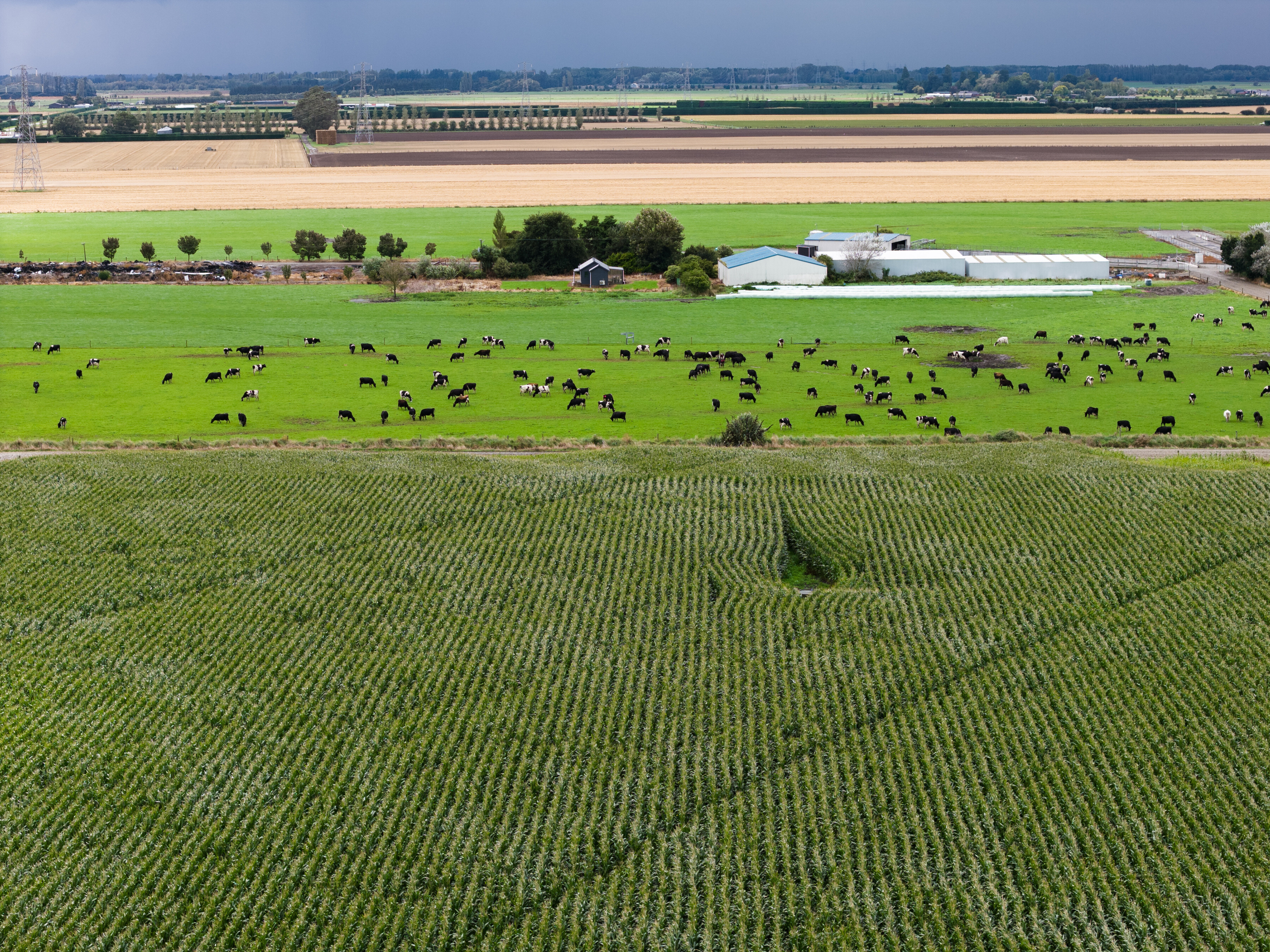
The maize crop is planted in mid-October and silage harvest takes place in late March. Paddocks are planted into either winter triticale or permanent pasture prior to the winter.
When it comes to hybrid choice, Lyle is looking for a hybrid that will come off early enough to get the winter crop established before it gets too cold.
“I’ve been planting Pioneer® brand P8333 every season because I know it yields well” says Lyle. “Pioneer have got a good reputation and an excellent backup service”.
The maize silage is inoculated with Pioneer® brand 11C33 Rapid React silage inoculant and fed on the farms feedpad at up to 5 kgDM per cow per day shortly after harvest.
“It works well because the maize silage crop is harvested about the time I need to start slowing down my pasture rotation. We can feed maize silage while reducing grass intake and building pasture cover for spring”.
Heavy soils shape many of the management decisions on farm, particularly through the wetter months. Protecting soils from pugging is a constant consideration. The feedpad helps and cows are wintered off farm, returning home about 10 days prior to calving.
“Last year we fed the springers maize silage for about a week prior to calving and that worked well for us” says Lyle.
Heifers are synchronised and artificially inseminated (AI) using easy calving crossbred bulls. In the main herd, non cycling cows are proactively given CIDR’s to ensure as many of the cows are mated in the 6-week AI period.
Better cow condition, coupled with a proactive reproduction management plan, has tightened the calving spread, and this has created an early spring feed deficit. Palm kernel expeller (PKE) fed in trailers in the paddock is used as a short-term gap filler until pasture growth lifts. Once grass supply is adequate, the system returns to all-grass until the next maize crop is harvested in the autumn.
“We don’t have an in-shed feeding system, which is unusual for Canterbury” says Lyle. “I purposely didn’t put one in, so we didn’t have the temptation to use it”.
Lyle is clear about the link between better cow condition, improved reproductive performance, production and profitability.
“Condition score is key to everything really” he says. “Having the right condition score at calving is the key to setting up not just this season, but the next one as well”.
Looking ahead, Lyle is not chasing scale or major system change.
“What we’re doing now works pretty well” says Lyle. “I think we’ve hit the right balance”.